


The gap between what industry needs and what education provides is one of the defining problem in green skills. Closing it takes more than good intentions on either side. It takes the two ends of the system talking to each other, honestly and often.
That is what the Green Skills Advisory Panel (GSAP) exists to do, and since June 2025 Quantum Training has held a seat on its National Board.
What GSAP is
Established by Exeter College in 2022, the Green Skills Advisory Panel brings together education providers, employers, industry leaders, policymakers and sustainability experts around a shared commitment: developing the skills the transition to a greener economy actually requires.
It has grown considerably since. GSAP now operates 21 regional centres across the UK alongside international partnerships, forming a network that shares best practice, drives innovation and supports workforce development nationally and beyond.
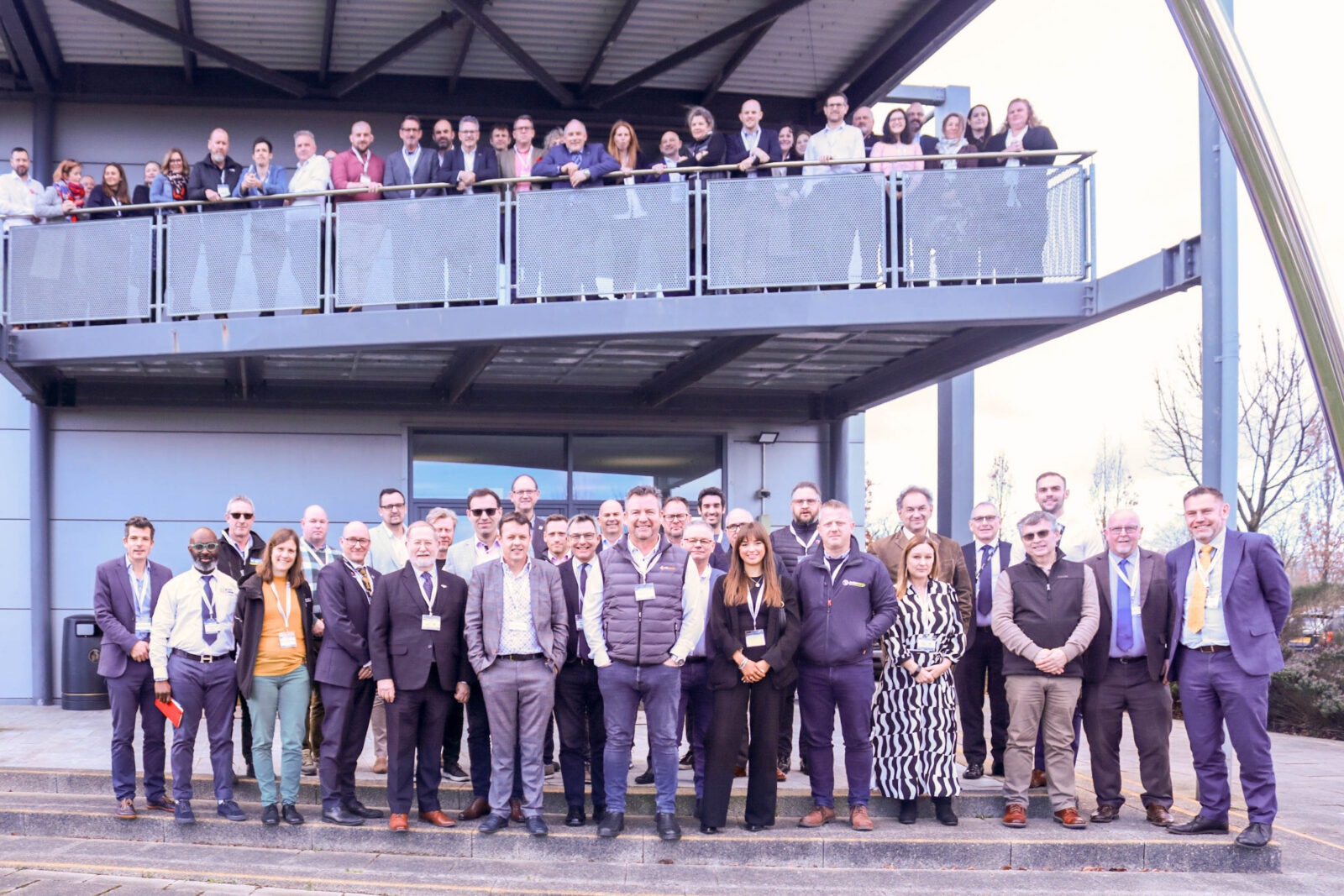
At the centre sits the National Board, which provides governance and strategic direction across GSAP’s initiatives. The Board brings together senior leaders from industry, education and the public sector to champion the green skills agenda, and engages directly with government ministers, officials and policymakers to keep green skills central to economic growth, industrial strategy and the UK’s net zero ambitions.
Beyond the UK
GSAP’s international work runs to Nepal and Malawi, where the model developed in the South West of England has been adapted to local conditions. The partnership in Nepal, delivered through the British Council as part of its work on technical and vocational education and training (TVET), was significant enough to prompt the organisation’s rename from the Green Construction Advisory Panel to the Green Skills Advisory Panel, reflecting the reality that green skills cut across construction, engineering and manufacturing rather than sitting in any one of them.
That international dimension matters more than it might first appear. The skills challenge behind the energy transition is not a UK problem. Every country scaling low carbon technology runs into the same question of who installs, maintains and services it, and in every case the answer runs through TVET, the technical and vocational education and training that produces people who can actually do the work. A network that learns across borders solves it faster.
Why Quantum is on the Board
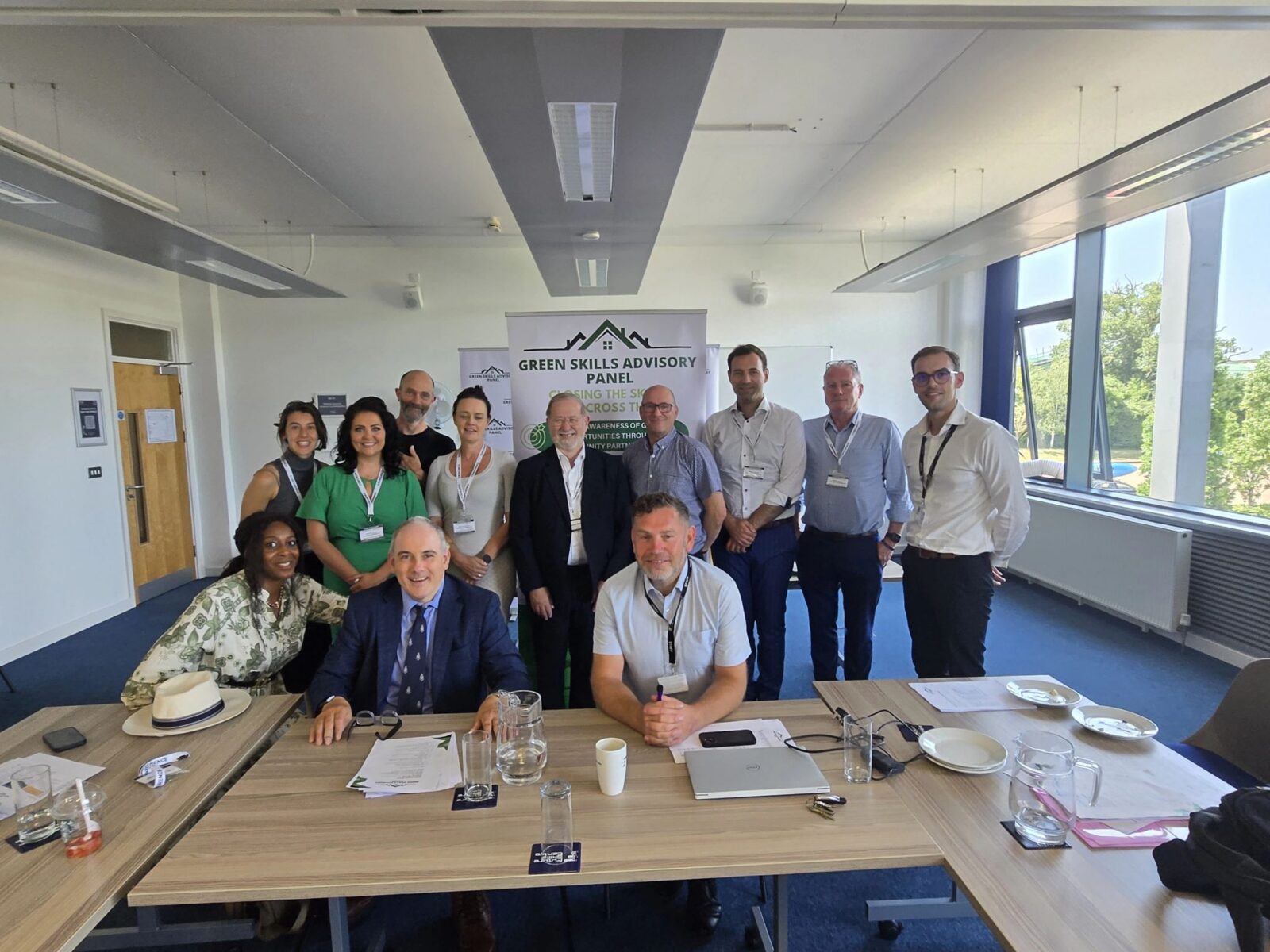
We were invited onto the National Board as an SME contractor, and that framing matters. Boards of this kind can fill up with large organisations and national bodies. What we bring is the view from the supply chain in renewables, the perspective of a business that builds and installs the facilities rather than only setting policy about them.
We also bring something few others can. Through our work with Further Education colleges across the country, we see the green skills gap at close range and in specific terms: which technologies colleges can teach and which they cannot, where the facilities exist and where they do not, and what stands between a learner and a qualification employers respect. That is granular, national, current intelligence about TVET provision for low carbon technology.
Fed into GSAP, it helps the Panel lobby with evidence rather than assertion, and strengthens the case it makes to government on behalf of the whole sector. Bridging education and employment is the goal. Knowing precisely where the bridge is missing is how you get there.
Joining a GSAP centre
If you are a college or training provider interested in getting involved, there may already be a GSAP centre in your region. To find your nearest one, speak to Luke Moss, Skills Manager at Exeter College and GSAP.
If your region does not have a centre yet, that is an opportunity rather than an obstacle. You could be the first, and the network is stronger for every region represented in it.
More information at gsap.org.uk